
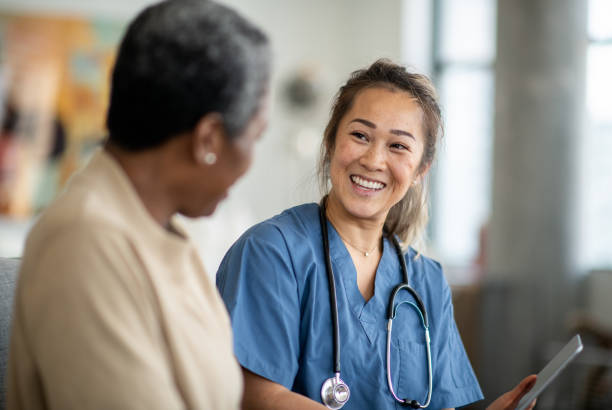
Caring for an aging loved one is deeply meaningful, but it can also become physically exhausting, emotionally overwhelming, and logistically complex. Many family caregivers take on this role out of love and commitment, often balancing it alongside careers, parenting, and personal responsibilities. Over time, the demands can intensify, especially when a loved one develops chronic conditions or requires specialized medical attention. This is where skilled nursing plays a vital role—not only for the patient but also for the caregiver behind the scenes.
Contents
The Growing Role of Family Caregivers
Family caregivers are often the backbone of long-term care. They manage medications, coordinate appointments, assist with daily living activities, and provide emotional support. However, most are not clinically trained, and as health conditions become more complex, the margin for error increases. Tasks such as wound care, post-surgical recovery, or managing conditions like diabetes or dementia require a level of expertise that goes beyond basic caregiving.
Without proper support, caregivers can experience burnout, stress, and even declining health themselves. Skilled nursing provides a structured, professional layer of care that ensures medical needs are met safely and effectively.
Bridging the Gap Between Home Care and Medical Needs
Skilled nursing serves as a bridge between informal caregiving at home and the advanced care provided in hospitals. It offers access to licensed nurses, therapists, and medical professionals who are trained to handle a wide range of healthcare needs.
This support is particularly important after hospital stays. Many patients are discharged with ongoing care requirements such as IV therapy, rehabilitation, or monitoring for complications. Skilled nursing facilities and services help manage this transition, reducing the risk of readmission and giving families confidence that their loved one is in capable hands.
For caregivers, this means they are no longer solely responsible for complex medical tasks. Instead, they can focus on being present as family members rather than full-time healthcare providers.
One of the most significant benefits of skilled nursing is the relief it provides to family caregivers. When care responsibilities are shared with trained professionals, caregivers gain time to rest, recover, and attend to other areas of their lives.
Burnout is a common issue among caregivers, often caused by prolonged stress and a lack of personal time. Skilled nursing helps alleviate this by taking over demanding tasks such as medication management, physical therapy routines, and continuous health monitoring.
This shared responsibility creates a healthier dynamic. Caregivers are better able to maintain their own well-being, which ultimately allows them to provide more meaningful emotional support to their loved ones.
Enhancing Quality of Care Through Clinical Expertise
While family caregivers offer compassion and familiarity, skilled nursing brings clinical precision. Nurses and healthcare professionals are trained to identify early warning signs, adjust care plans, and respond quickly to changes in a patient’s condition.
This level of expertise improves overall outcomes. Whether it’s managing pain, preventing infections, or supporting mobility through rehabilitation, skilled nursing ensures that care is both proactive and personalized.
For families, this translates into peace of mind. Knowing that a loved one is receiving high-quality medical care reduces anxiety and builds trust in the care process.
Supporting Emotional Well-Being for Both Patients and Families
The emotional impact of caregiving is often underestimated. Caregivers may feel guilt, anxiety, or isolation, while patients may struggle with loss of independence or fear of declining health.
Skilled nursing environments are designed to address these emotional aspects as well. Through structured routines, social interaction, and professional support, patients often experience improved mental well-being. At the same time, caregivers benefit from reassurance and guidance, knowing they are not navigating this journey alone.
This emotional support strengthens family relationships. Instead of being defined by caregiving duties, interactions can return to being more personal and meaningful.
Flexible Care Options to Meet Changing Needs
One of the advantages of skilled nursing is its flexibility. Care can be tailored based on the individual’s condition and the family’s situation. Some may require short-term rehabilitation following surgery, while others may need long-term care for chronic illnesses.
This adaptability allows families to make decisions that align with their evolving needs. It also provides a safety net—if a condition worsens or caregiving demands increase, additional support is readily available.
For caregivers, this flexibility reduces uncertainty. They can plan, knowing that professional care options exist as circumstances change.
Empowering Caregivers Through Education and Guidance
Skilled nursing does not replace family caregivers; it supports and empowers them. Many facilities and healthcare providers offer education on how to safely assist with care at home, recognize warning signs, and manage ongoing health conditions.
This collaborative approach builds confidence. Caregivers become better equipped to handle day-to-day responsibilities while relying on professionals for more complex tasks. It creates a partnership where both parties work toward the same goal: improving the patient’s quality of life.
A Sustainable Approach to Long-Term Care
Caring for a loved one is not a short-term commitment. It often spans months or even years, making sustainability a critical factor. Skilled nursing provides a foundation that makes long-term caregiving more manageable and less overwhelming.
Combining professional expertise with family involvement creates a balanced care model. Patients receive comprehensive support, and caregivers are protected from the long-term effects of burnout.
In the end, skilled nursing is not just about medical care—it is about preserving relationships, supporting families, and ensuring that both patients and caregivers can navigate the journey with dignity and strength.