Rehabilitation programs are designed to support individuals in regaining independence, improving quality of life, and addressing specific physical, cognitive, or emotional challenges. Whether following an illness, injury, or surgical procedure, structured rehabilitation plays a critical role in recovery. While programs may vary depending on individual needs and facility capabilities, several core rehabilitation services are commonly offered across healthcare settings.
Contents
Physical Therapy
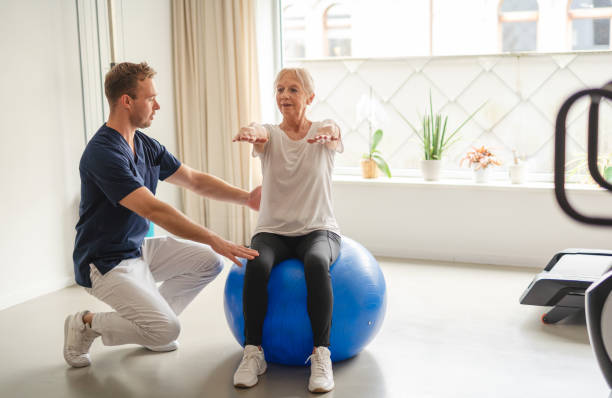
Physical therapy is one of the most widely utilized rehabilitation programs, focusing on restoring movement, strength, and functional mobility. It is commonly recommended for individuals recovering from orthopedic injuries, surgeries such as joint replacements, or neurological conditions like stroke.
Licensed physical therapists develop personalized treatment plans that may include targeted exercises, manual therapy, balance training, and mobility techniques. The goal is not only to reduce pain but also to help patients regain the ability to perform daily activities safely and efficiently. Consistent participation in physical therapy can significantly reduce the risk of re-injury and long-term complications.
Occupational Therapy
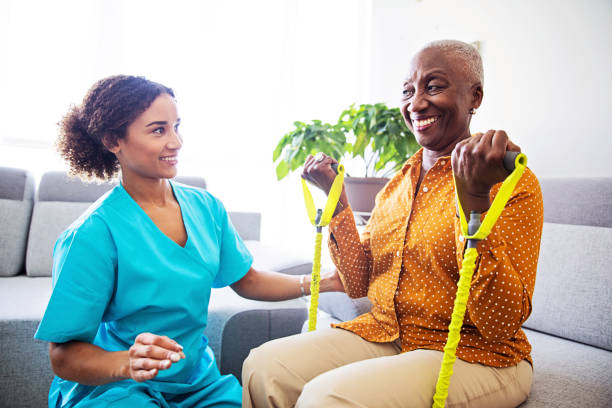
Occupational therapy is centered on helping individuals regain the skills needed for daily living. This includes activities such as dressing, bathing, cooking, and managing household tasks. For patients recovering from strokes, traumatic injuries, or chronic conditions, occupational therapy provides practical strategies to adapt to new limitations.
Therapists often assess both the individual’s abilities and their environment, recommending assistive devices or modifications to improve independence. This program is particularly valuable for older adults who wish to maintain autonomy while ensuring safety in their living spaces.
Speech and Language Therapy
Speech and language therapy addresses communication and swallowing disorders, which can arise from neurological conditions, surgeries, or developmental issues. Patients who have experienced a stroke, brain injury, or degenerative disease often benefit from this specialized form of rehabilitation.
Therapists work with patients to improve speech clarity, language comprehension, cognitive communication skills, and safe swallowing techniques. Progress in this area can greatly enhance a patient’s ability to interact with others and maintain proper nutrition, both of which are essential for overall well-being.
Cardiac Rehabilitation
Cardiac rehabilitation is a structured program designed for individuals recovering from heart-related conditions such as heart attacks, heart surgery, or chronic cardiovascular disease. These programs combine monitored exercise, education, and lifestyle counseling to support long-term heart health.
Participants are guided through safe physical activities tailored to their condition, while also receiving education on nutrition, stress management, and risk factor reduction. Cardiac rehabilitation not only improves physical endurance but also helps patients build confidence in managing their health moving forward.
Pulmonary Rehabilitation
Pulmonary rehabilitation is intended for individuals with chronic respiratory conditions such as chronic obstructive pulmonary disease (COPD), asthma, or pulmonary fibrosis. The program focuses on improving breathing efficiency, increasing physical endurance, and enhancing overall quality of life.
Patients engage in supervised exercise training, breathing techniques, and education on managing symptoms. By learning how to conserve energy and optimize lung function, individuals can experience reduced shortness of breath and improved daily functioning.
Neurological Rehabilitation
Neurological rehabilitation is designed for patients with conditions affecting the brain, spinal cord, or nervous system. This includes stroke, Parkinson’s disease, multiple sclerosis, and traumatic brain injuries.
These programs are often multidisciplinary, combining physical, occupational, and speech therapies to address complex needs. The focus is on improving motor skills, coordination, cognitive function, and independence. Progress may be gradual, but consistent therapy can lead to meaningful improvements in function and quality of life.
Geriatric Rehabilitation
Geriatric rehabilitation focuses on the unique needs of older adults, particularly those recovering from illness, surgery, or age-related decline. This program aims to restore strength, mobility, and independence while minimizing the risk of falls and hospital readmissions.
Care plans are tailored to address multiple health concerns simultaneously, often involving a team of healthcare professionals. Emphasis is placed on maintaining functional abilities and improving overall quality of life in a safe and supportive environment.
The Importance of Individualized Care
While these rehabilitation programs are commonly offered, their effectiveness depends on how well they are tailored to each individual. Comprehensive assessments, goal setting, and ongoing evaluation are essential components of successful rehabilitation.
Patients benefit most when programs are coordinated across disciplines, ensuring that physical, emotional, and cognitive needs are addressed holistically. Family involvement and education also play a key role, helping to reinforce progress outside of clinical settings.
Supporting Long-Term Recovery
Rehabilitation does not end when a program is completed. Long-term recovery often requires continued effort, lifestyle adjustments, and follow-up care. Many facilities provide transition plans, home exercise programs, and community resources to support sustained progress.
By participating in appropriate rehabilitation programs, individuals are better equipped to regain independence, improve their health outcomes, and enhance their overall quality of life.