

Post-acute recovery marks a critical phase in a patient’s healing journey. After hospitalization for surgery, illness, or injury, individuals often require structured support to regain strength, mobility, and independence. Therapy plays a central role in this stage, bridging the gap between acute medical care and a return to daily life. Through a combination of physical, occupational, and speech therapies, patients are guided toward meaningful recovery outcomes that go beyond symptom management.
Contents
Understanding Post-Acute Recovery
Post-acute care typically begins once a patient is medically stable but not yet ready to function independently. This phase may take place in skilled nursing facilities, rehabilitation centers, or even at home with professional support. The goal is to restore function, prevent complications, and improve overall quality of life.
Therapy is at the core of this process because recovery is not passive. Patients must actively participate in regaining lost abilities, whether that involves relearning how to walk, improving coordination, or rebuilding cognitive skills. Without targeted therapeutic interventions, recovery can be slower, incomplete, or even compromised.
Physical Therapy: Rebuilding Strength and Mobility
Physical therapy is often the most visible component of post-acute recovery. It focuses on restoring movement, improving balance, and rebuilding muscle strength. Patients recovering from orthopedic surgeries, strokes, or prolonged hospital stays frequently experience weakness and reduced mobility.
Therapists design individualized exercise programs that gradually challenge the body while ensuring safety. These programs may include strength training, gait training, range-of-motion exercises, and balance work. Over time, patients regain confidence in their physical abilities, which is essential for preventing falls and avoiding re-hospitalization.
Beyond exercises, physical therapists also educate patients on proper body mechanics and safe movement techniques. This knowledge helps individuals navigate their environments more effectively, whether at home or in a community setting.
Occupational Therapy: Restoring Daily Independence
While physical therapy focuses on movement, occupational therapy addresses the practical aspects of daily living. Many patients struggle with routine activities after an illness or injury, such as dressing, bathing, cooking, or managing medications.
Occupational therapists work closely with patients to rebuild these essential skills. They may introduce adaptive techniques, recommend assistive devices, or modify the patient’s environment to improve accessibility. For example, installing grab bars or using specialized utensils can significantly enhance independence.
The ultimate aim is to help patients perform daily tasks safely and efficiently. This not only improves quality of life but also reduces reliance on caregivers, fostering a sense of autonomy and dignity.
Speech Therapy: Supporting Communication and Swallowing
Speech therapy is often overlooked but plays a vital role in post-acute recovery, especially for individuals recovering from neurological conditions such as stroke or traumatic brain injury. These patients may experience difficulties with speech, language, cognition, or swallowing.
Speech-language pathologists assess each patient’s specific challenges and develop tailored interventions. Therapy may focus on improving articulation, strengthening cognitive processing, or retraining swallowing functions to ensure safe eating and drinking.
Effective communication is essential for social interaction and emotional well-being. By addressing these challenges, speech therapy helps patients reconnect with others and participate more fully in their recovery journey.
The Importance of a Multidisciplinary Approach
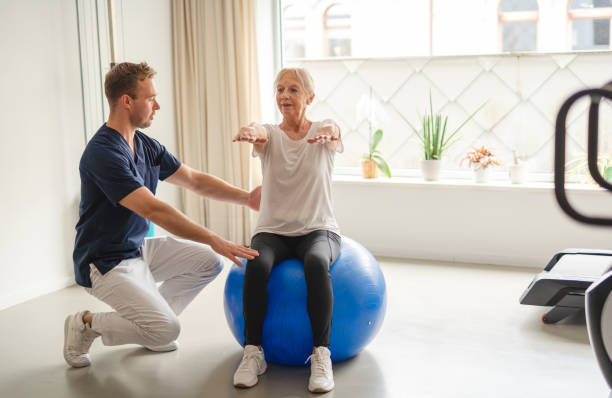
One of the defining features of effective post-acute recovery is the integration of multiple therapy disciplines. Physical, occupational, and speech therapists often collaborate with nurses, physicians, and care coordinators to create a comprehensive care plan.
This team-based approach ensures that all aspects of a patient’s recovery are addressed simultaneously. For instance, a patient working on mobility may also need assistance with daily activities and communication skills. Coordinated care prevents gaps in treatment and promotes more efficient progress.
Regular assessments and progress evaluations allow the care team to adjust therapy plans as needed. This adaptability is crucial, as recovery timelines and outcomes can vary significantly from one patient to another.
Emotional and Psychological Benefits of Therapy
Recovery is not solely a physical process. Patients often face emotional challenges such as anxiety, frustration, or depression during the post-acute phase. Therapy provides structure and purpose, helping individuals stay engaged and motivated.
Therapists also offer encouragement and set achievable goals, which can boost confidence and morale. Each milestone, no matter how small, reinforces the patient’s sense of progress and capability.
In some cases, therapy sessions become a space for emotional support, where patients can express concerns and build resilience. This psychological aspect of recovery is just as important as physical healing.
Preventing Complications and Promoting Long-Term Health
Therapy does more than restore function; it also plays a preventive role. Without proper rehabilitation, patients are at higher risk of complications such as muscle atrophy, joint stiffness, pressure injuries, or recurrent hospitalizations.
Through guided movement and education, therapists help patients maintain proper circulation, improve endurance, and adopt healthier habits. These interventions contribute to long-term health and reduce the likelihood of setbacks.
Additionally, therapy equips patients and their families with the knowledge needed to continue recovery independently. This includes home exercise programs, safety strategies, and lifestyle adjustments that support ongoing well-being.
Transitioning Back to Everyday Life
A successful post-acute recovery process ultimately prepares patients to return to their normal environments. Therapy focuses on real-world application, ensuring that individuals can safely perform tasks in their homes and communities.
This transition may involve practicing stairs, navigating different surfaces, or simulating daily routines. Therapists often provide recommendations for home modifications or continued outpatient therapy to support this phase.
The goal is not just recovery, but reintegration. Patients who receive comprehensive therapy are more likely to regain independence, participate in social activities, and enjoy a higher quality of life.
Conclusion
Therapy is a cornerstone of post-acute recovery, offering structured, personalized support that addresses physical, functional, and cognitive needs. By combining multiple disciplines and focusing on patient-centered goals, therapy empowers individuals to rebuild their lives after illness or injury.
Through consistent effort, expert guidance, and a collaborative care approach, patients can achieve meaningful progress and regain control over their daily experiences. In this way, therapy does not simply aid recovery; it defines it.