
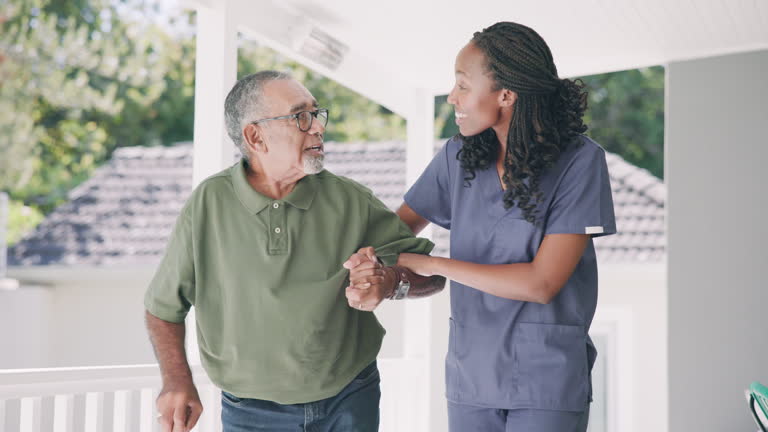
Caring for an aging loved one is a journey filled with important decisions, changing needs, and emotional moments. Whether a senior is recovering after a hospital stay, managing a chronic condition, or requiring long-term support, families often take on significant caregiving responsibilities. While this role can be rewarding, it can also become overwhelming without the right resources.
Skilled nursing care provides professional medical support while helping families navigate each stage of a loved one’s health journey. By combining clinical expertise with compassionate care, skilled nursing facilities help improve quality of life for residents while giving families the reassurance they need. Rather than replacing the family’s role, skilled nursing teams work alongside loved ones to create a supportive partnership focused on the resident’s well-being.
Contents
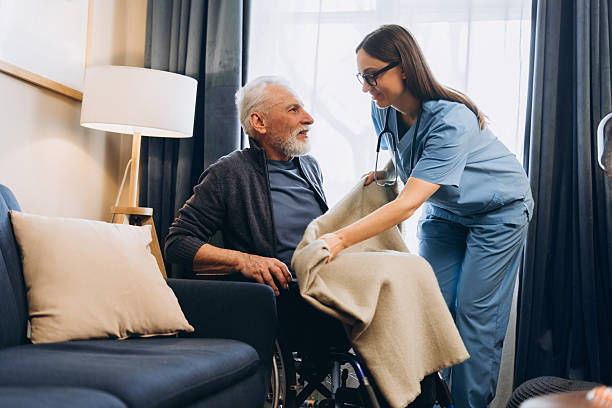
Many seniors require care that extends beyond what can safely be provided at home. Medical conditions, mobility limitations, medication schedules, and rehabilitation programs often require specialized knowledge and close monitoring.
Skilled nursing professionals are trained to manage these complex healthcare needs. Registered nurses, licensed practical nurses, therapists, and other healthcare professionals work together to provide personalized care plans tailored to each resident’s condition and goals.
Families no longer have to shoulder every medical responsibility on their own. Instead, they gain access to experienced professionals who monitor health changes, administer medications, coordinate treatments, and respond quickly if concerns arise.
This collaborative approach helps families feel more confident that their loved one is receiving consistent, high-quality care.
Providing Rehabilitation That Encourages Recovery
Recovery after surgery, illness, or injury often involves more than simply resting. Many seniors benefit from rehabilitation services that help them rebuild strength, mobility, communication, and daily living skills.
Skilled nursing facilities commonly offer rehabilitation services such as:
- Physical therapy to improve strength, balance, and mobility
- Occupational therapy to increase independence with daily activities
- Speech therapy to support communication and swallowing challenges
Therapists work closely with residents to establish realistic recovery goals while keeping family members informed about progress. Families can better understand what improvements to expect and how they can continue supporting recovery during visits or after discharge.
Regular updates also help reduce uncertainty during what can otherwise be a stressful period.
Reducing Caregiver Stress and Burnout
Family caregivers often balance caregiving with careers, parenting responsibilities, and their own health needs. Over time, these competing demands may lead to physical exhaustion and emotional burnout.
Skilled nursing support allows family members to step back from the constant demands of medical caregiving while remaining actively involved in their loved one’s life. Instead of worrying about medication schedules, wound care, or monitoring symptoms around the clock, families can focus on spending meaningful time together.
This shift often strengthens relationships by allowing visits to center on conversation, companionship, and shared experiences rather than caregiving tasks alone.
Supporting caregivers is an important part of supporting the resident, as healthy, well-rested family members are better equipped to provide emotional encouragement throughout the care journey.
Encouraging Open Communication With Families
Clear communication plays an essential role in quality care. Families want to understand their loved one’s condition, treatment plan, and overall progress.
Skilled nursing teams prioritize ongoing communication by providing updates about medical care, therapy milestones, and changes in health status. Family meetings may also be scheduled to discuss care goals, answer questions, and adjust care plans as needs evolve.
This collaborative communication helps families become informed partners in decision-making rather than feeling disconnected from the care process.
When questions arise, having direct access to knowledgeable healthcare professionals offers valuable reassurance and clarity.
Supporting Emotional Well-Being Alongside Physical Health
The transition into skilled nursing can bring emotional challenges for both residents and their families. Seniors may experience anxiety, frustration, or sadness as they adjust to a new environment, while family members may struggle with feelings of guilt or uncertainty.
Skilled nursing facilities recognize that emotional well-being is closely connected to physical health. Care teams often encourage social engagement, recreational activities, and meaningful daily routines that promote a sense of purpose and belonging.
Staff members also take time to build trusting relationships with residents, helping them feel comfortable and respected throughout their stay.
Families benefit from knowing their loved one is receiving compassionate support that extends beyond medical treatment alone.
Preparing Families for Future Care Decisions
Healthcare needs can change over time, making future planning an important part of the care journey. Skilled nursing professionals help families understand current health conditions, recovery expectations, and possible next steps.
Whether preparing for a return home, transitioning to long-term care, or coordinating additional community resources, care teams provide guidance that helps families make informed decisions with greater confidence.
Education may include medication management, safety recommendations, home care planning, and information about available support services.
Having knowledgeable professionals available throughout these discussions helps reduce uncertainty and allows families to focus on choosing the best path for their loved one’s individual needs.
A Partnership That Supports the Entire Family
The care journey affects far more than the individual receiving treatment—it impacts the entire family. Skilled nursing provides the clinical expertise needed to manage complex medical needs while offering guidance, communication, and emotional support to loved ones throughout every stage of care.
By working together, healthcare professionals and families create an environment where seniors receive compassionate, personalized care while caregivers gain peace of mind and renewed confidence. This partnership helps ensure that every decision is made with the resident’s comfort, safety, and overall quality of life at the center, making the care journey more manageable for everyone involved.