
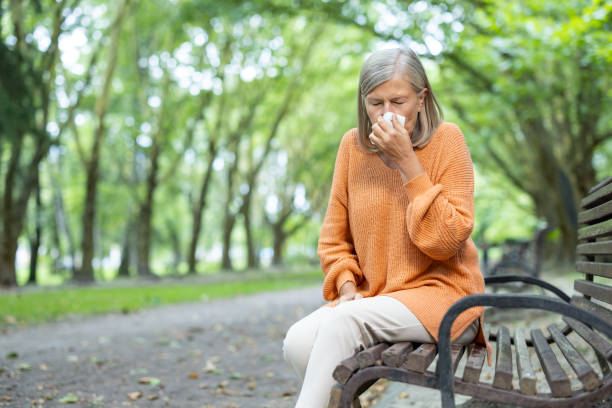
Seasonal allergies are commonly associated with sneezing, itchy eyes, and runny noses. While these symptoms are familiar to many, they often present differently in older adults. Aging brings changes to the immune system, respiratory function, and overall health that can alter how allergies appear and how severely they are felt. As a result, seasonal allergies in seniors are frequently overlooked or mistaken for other conditions, delaying appropriate treatment and relief.
Understanding these age-related differences is essential for older adults, caregivers, and healthcare providers alike. Recognizing the less obvious signs of seasonal allergies can significantly improve comfort, daily functioning, and overall quality of life.
Contents
How the Aging Immune System Affects Allergies
As people age, the immune system naturally becomes less reactive. This does not mean that allergies disappear, but rather that the body may respond in subtler or atypical ways. In older adults, allergic reactions may not trigger the intense histamine release commonly seen in younger individuals. Instead of classic allergy symptoms, seniors may experience vague or persistent discomfort that is harder to attribute to pollen or environmental triggers.
Additionally, long-term exposure to allergens over decades can change how the body reacts. Some older adults develop new allergies later in life, while others find that existing allergies shift in severity or presentation. These changes often complicate diagnosis, especially when symptoms overlap with chronic age-related conditions.
Respiratory Symptoms That Resemble Other Conditions
One of the most common ways seasonal allergies present differently in older adults is through respiratory symptoms that mimic other illnesses. Instead of frequent sneezing or nasal itching, seniors may experience persistent coughing, throat clearing, or a sensation of chest tightness. These symptoms are often mistaken for asthma, chronic obstructive pulmonary disease, or even heart-related issues.
Nasal congestion may also appear without significant nasal discharge. This can lead to mouth breathing, dry throat, and disrupted sleep, which are frequently attributed to aging rather than allergies. Because many older adults already manage respiratory conditions, allergy-related symptoms may go unnoticed or be assumed to be part of an existing diagnosis.
Fatigue and Generalized Weakness

Fatigue is a common but often overlooked symptom of seasonal allergies in older adults. Chronic inflammation caused by allergic reactions can drain energy levels, leading to persistent tiredness or a general sense of weakness. Unlike younger individuals, seniors may not associate fatigue with allergies, especially if they do not experience typical nasal or eye symptoms.
This fatigue can interfere with daily activities, increase fall risk, and reduce motivation to stay physically active. In some cases, it may be misinterpreted as depression, sleep disorders, or normal aging, further delaying appropriate allergy management.
Cognitive Changes and Mood Effects
Seasonal allergies can also affect cognitive function and mood in older adults. Inflammation, poor sleep due to congestion, and reduced oxygen intake can contribute to difficulty concentrating, forgetfulness, or mental fog. These changes may raise concerns about cognitive decline, particularly in seniors already worried about memory issues.
Mood changes, such as irritability or low mood, may also emerge. The discomfort and disruption caused by unmanaged allergies can reduce social engagement and overall enjoyment of daily life. When these symptoms appear without obvious allergy indicators, they are often attributed to stress or aging rather than environmental triggers.
Skin and Eye Symptoms That Are Less Obvious
While itchy, watery eyes are a hallmark of seasonal allergies, older adults may experience more subtle eye discomfort. Dryness, redness, or a gritty sensation may occur instead of intense itching. These symptoms are frequently mistaken for age-related dry eye syndrome, especially since tear production naturally decreases with age.
Skin reactions may also present differently. Rather than hives or itching, seniors may notice increased skin sensitivity, dryness, or mild rashes that worsen during allergy seasons. These changes are often attributed to aging skin, masking their allergic origin.
The Role of Medications and Chronic Conditions
Many older adults take multiple medications to manage chronic health conditions. Some of these medications can interact with allergy symptoms or treatments, altering how allergies present and how they should be managed. For example, certain blood pressure medications can cause nasal congestion, while others may worsen dryness in the eyes or mouth.
Chronic conditions such as diabetes, heart disease, or arthritis can also complicate allergy diagnosis. Symptoms like fatigue, inflammation, or discomfort may be attributed to these conditions rather than seasonal allergens. This overlap underscores the importance of comprehensive assessment when new or worsening symptoms appear.
Why Early Recognition Matters
When seasonal allergies go unrecognized in older adults, symptoms can persist and gradually erode quality of life. Poor sleep, reduced energy, and ongoing discomfort can lead to decreased independence and increased healthcare visits. In some cases, untreated allergies may exacerbate existing respiratory or cardiovascular conditions.
Early recognition allows for tailored treatment strategies that consider age-related changes, medication interactions, and overall health status. With proper management, older adults can experience significant relief and maintain an active, comfortable lifestyle throughout allergy seasons.
Supporting Healthy Aging During Allergy Season
Seasonal allergies do not disappear with age, but their presentation often changes in ways that make them harder to identify. By understanding how symptoms evolve, older adults and caregivers can advocate for accurate diagnosis and appropriate care. Awareness is the first step toward effective management, helping seniors breathe easier, sleep better, and enjoy daily life with greater comfort and confidence.