
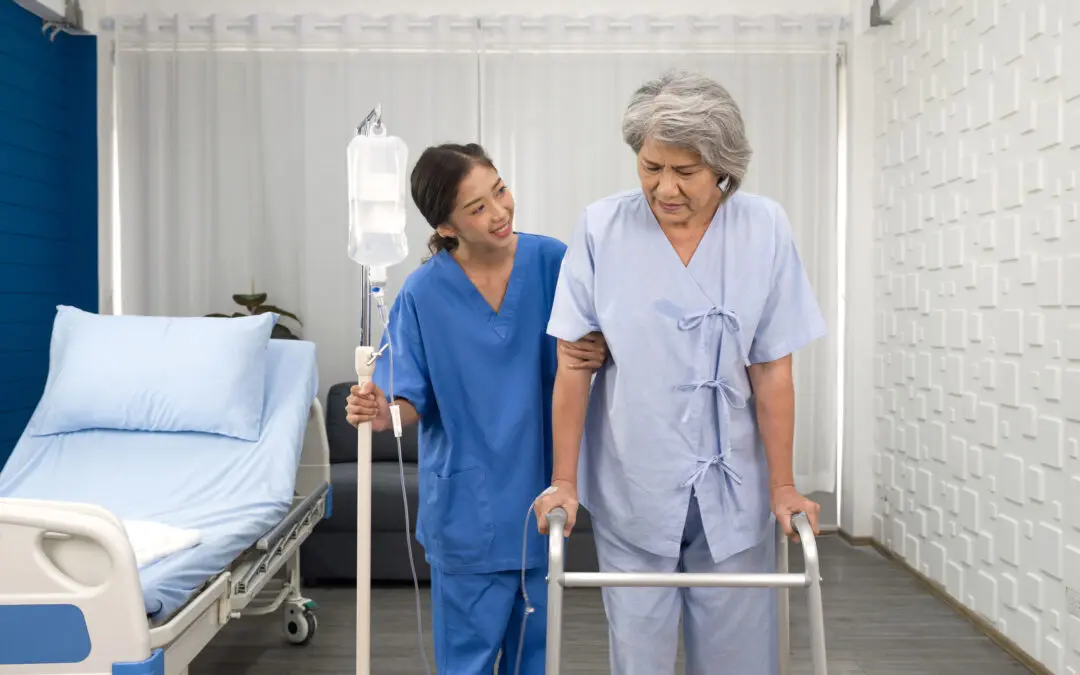
Recovering after surgery is a critical stage in a patient’s healing journey. While the procedure itself is an important milestone, the recovery process often determines the outcome. Many individuals require additional support after hospital discharge, particularly when managing complex procedures, mobility limitations, or medical monitoring requirements. Skilled nursing care provides the structured medical assistance and rehabilitation services patients need to regain strength and independence safely.
Skilled nursing facilities bridge the gap between hospital care and returning home. With professional medical staff, therapy services, and individualized recovery plans, these facilities ensure that patients receive the appropriate care during the most important phase of healing.
Contents
Understanding the Challenges of Post-Surgery Recovery
Post-surgical recovery can involve a variety of challenges depending on the type of procedure performed. Patients may experience pain, fatigue, reduced mobility, and the need for ongoing medical monitoring. In many cases, individuals also require assistance with daily tasks such as bathing, dressing, or moving safely around their environment.
For older adults or individuals with underlying health conditions, recovery may take longer and involve additional risks. Complications such as infections, blood clots, or medication side effects must be monitored closely during the early stages of healing. Skilled nursing facilities are equipped to handle these situations through continuous medical supervision and professional care.
This level of support allows patients to focus on healing while minimizing the risk of setbacks or hospital readmissions.
The Role of Skilled Nursing in Recovery
Skilled nursing care provides medical services that go beyond what is typically available through home care. Licensed nurses and healthcare professionals are available around the clock to monitor patients’ health, administer medications, and respond quickly if complications arise.
Medical teams work closely with physicians to follow detailed post-operative care plans. These plans may include wound care, pain management, medication adjustments, and monitoring of vital signs. For patients recovering from orthopedic procedures, cardiac surgery, or other major operations, this level of supervision is essential for ensuring a safe and steady recovery.
Patients benefit from having trained professionals nearby who can identify potential issues early and provide immediate intervention when necessary.
Rehabilitation and Physical Therapy Support
Rehabilitation is often one of the most important components of post-surgery recovery. Skilled nursing facilities provide access to physical therapy, occupational therapy, and sometimes speech therapy, depending on the patient’s needs.
Physical therapists focus on helping patients regain strength, mobility, and balance after surgery. Whether a patient is recovering from joint replacement, spinal surgery, or another procedure affecting movement, therapy sessions are designed to gradually rebuild physical abilities while reducing the risk of injury.
Occupational therapy helps patients regain independence with daily activities. This may include learning safer ways to move, improving coordination, or adapting to temporary physical limitations during recovery.
These rehabilitation services are carefully tailored to each patient’s condition, allowing progress to happen at a safe and manageable pace.
Personalized Care Plans for Every Patient
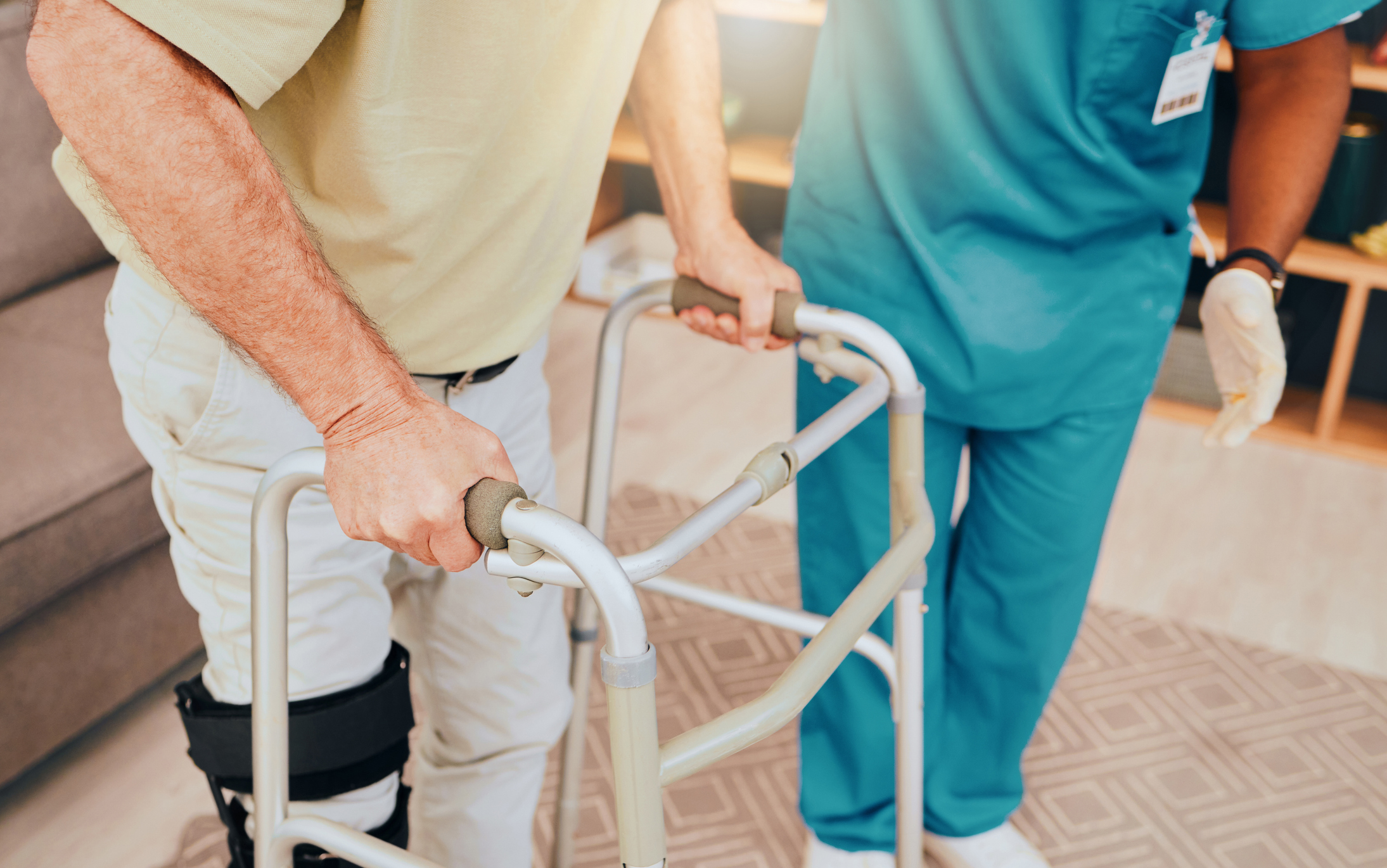
Every surgical recovery is unique, which is why skilled nursing facilities emphasize individualized care planning. Upon admission, medical staff conduct a thorough evaluation of the patient’s health status, surgical procedure, and recovery goals.
Based on this assessment, a customized care plan is developed. The plan outlines medical treatments, therapy schedules, dietary needs, and daily assistance requirements. Care teams regularly review the patient’s progress and make adjustments to the plan as recovery continues.
This personalized approach ensures that each patient receives the exact level of care and attention needed during their healing process.
Emotional Support and Patient Well-Being
Recovery from surgery can be physically demanding, but it can also be emotionally challenging. Patients may experience stress, frustration, or anxiety as they adjust to temporary limitations and the uncertainty of recovery timelines.
Skilled nursing environments provide a supportive atmosphere where patients receive encouragement and reassurance from trained staff. Caregivers work closely with patients to maintain motivation during rehabilitation and ensure they feel supported throughout their recovery journey.
Social interaction and structured daily routines also help patients maintain a positive outlook, which can contribute to better overall healing outcomes.
Preparing for a Safe Return Home
The ultimate goal of post-surgery recovery is to help patients safely transition back to their normal living environment. Skilled nursing facilities assist with discharge planning by ensuring that patients are ready to return home with confidence.
Before discharge, care teams evaluate whether the patient can move safely, manage medications, and perform essential daily activities. Therapists may also recommend home modifications, mobility aids, or continued outpatient therapy to support ongoing recovery.
Education is another key component of the discharge process. Patients and family members receive guidance on wound care, medication schedules, physical activity limitations, and warning signs that should prompt medical attention.
Supporting Recovery Through Professional Care
Post-surgery recovery is a process that requires time, patience, and the right level of medical support. Skilled nursing care plays a vital role in helping patients regain strength, restore independence, and avoid complications during this critical period.
With professional medical supervision, rehabilitation services, and personalized care plans, skilled nursing facilities provide a safe and supportive environment for healing. For many patients, this level of care ensures a smoother recovery journey and a stronger return to everyday life.