
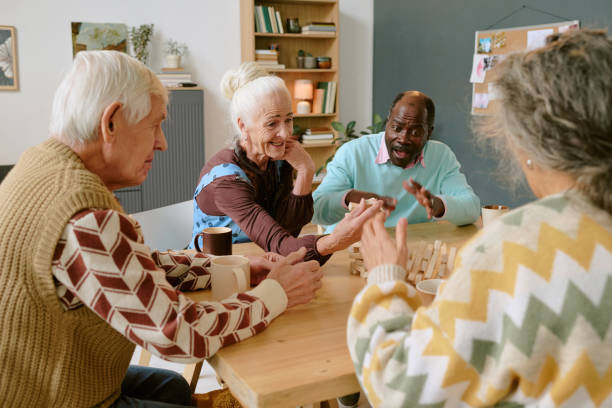
As people age, they often face challenges that can impact their mental well-being, retirement, loss of loved ones, declining health, or increased isolation. These changes can sometimes lead to loneliness, depression, or anxiety. However, there’s one powerful antidote that often goes underappreciated: staying socially active. Social engagement isn’t just a pleasant pastime; it plays a critical role in preserving and improving the mental health of older adults.
Contents
The Science Behind Social Connection and Brain Health
Numerous studies have shown a clear link between social activity and cognitive health. According to the National Institute on Aging, seniors who regularly engage in social activities may have a lower risk of dementia and cognitive decline. Engaging with others keeps the brain active, stimulates memory, and can even delay the onset of age-related conditions like Alzheimer’s disease.
When seniors interact with peers, participate in discussions, or simply share stories, they activate regions of the brain responsible for emotional regulation, memory, and empathy. These interactions create mental stimulation that can mimic the effects of solving puzzles or learning a new skill, both of which are known to support brain function.
Combating Loneliness and Depression
One of the most prevalent issues affecting older adults is loneliness. A study by the University of California, San Francisco, found that 43% of surveyed seniors reported feeling lonely regularly. Loneliness has been associated with a 45% increased risk of mortality and can be as damaging as smoking 15 cigarettes a day.
Social activities—such as joining clubs, attending group exercise classes, or even volunteering—serve as an antidote to isolation. They create a sense of purpose, belonging, and routine, which are crucial for emotional balance. Group activities also provide emotional support, which helps seniors process grief, cope with life changes, and feel more connected to the world around them.
Types of Social Activities That Make a Difference
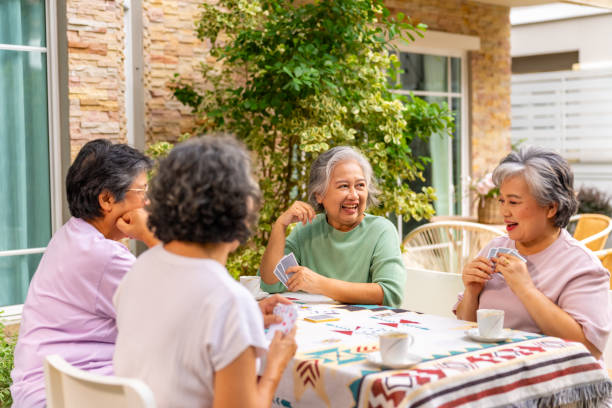
Not all social interactions are created equal. Seniors benefit most from meaningful engagement that aligns with their interests and physical abilities. Here are some of the most effective social activities for enhancing mental health:
Group Fitness and Dance Classes
Low-impact fitness classes such as tai chi, yoga, or ballroom dancing not only improve mobility and physical health but also encourage bonding with others in the group. The shared experience of movement builds camaraderie and enhances self-esteem.
Arts and Crafts Groups
Creative activities stimulate the brain while fostering a relaxed, social environment. Painting, knitting, or ceramics classes allow seniors to express themselves and connect with others over shared interests.
Community Volunteering
Volunteering allows older adults to feel needed and valued. Whether it’s mentoring youth, helping at a food bank, or organizing community events, these roles reinforce a sense of purpose and social identity.
Book Clubs and Discussion Groups
These intellectually stimulating activities foster deep connections. Regular discussion keeps the mind sharp and builds bonds based on shared perspectives and mutual respect.
Digital Social Platforms
Technology can bridge the gap for seniors who are homebound or live far from family. Learning to use video calls, social media, or senior-focused online communities allows them to stay socially connected despite physical limitations.
Family Engagement as a Social Anchor
While peer interactions are essential, family remains a cornerstone of social support for many older adults. Regular family visits, intergenerational activities, and holiday gatherings offer emotional richness that reinforces a senior’s sense of identity and continuity. Encouraging younger family members to spend quality time with grandparents doesn’t just help seniors—it benefits the entire family unit.
Creating Inclusive and Accessible Opportunities
To fully leverage the benefits of social activities, communities must ensure they are accessible. That means offering transportation options, designing activities for various physical capabilities, and creating welcoming environments where seniors feel comfortable and safe. Community centers, churches, and local governments play a vital role in organizing inclusive events that empower older adults to participate.
A Preventive Approach to Aging
Staying socially engaged is more than a lifestyle choice—it’s a preventive strategy for aging gracefully. Social activities help regulate mood, improve sleep, increase longevity, and even reduce reliance on medication for anxiety or depression. When seniors feel connected, their outlook improves, and so does their health.
Final Thoughts: Connection is the Key
As society continues to prioritize aging in place and senior independence, it is essential to integrate social opportunities into the fabric of elder care. Friends, family, and caregivers all play a role in encouraging older adults to stay connected. By investing in social activity programs and fostering a culture of inclusion, we are not only enriching the lives of seniors—we are creating a healthier, more compassionate world for everyone.