

BLOG
Most Popular Posts
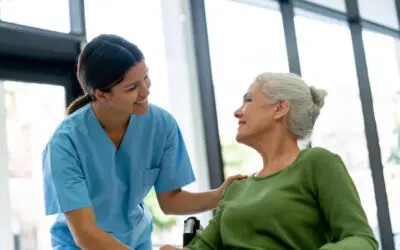
Discharge Planning and Support Services in Skilled Nursing
Leaving a skilled nursing facility is an important milestone in a patient’s recovery, but a successful transition requires more than simply choosing a discharge date. Patients may still need medication management, therapy, medical follow-up, assistance with daily activities, or changes to their home environment. Effective discharge planning helps bring these pieces together so patients and their families have a clearer path forward.
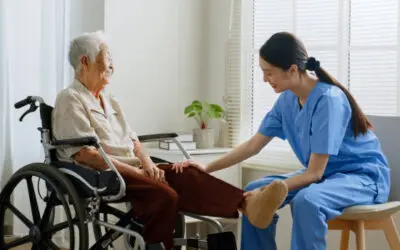
Preparing for the Transition from Skilled Nursing Back Home
Returning home after a stay in a skilled nursing facility can be an encouraging milestone. It often means that a person has made meaningful progress following an illness, injury, surgery, or hospitalization. At the same time, moving from around-the-clock professional support to a home environment requires careful preparation.
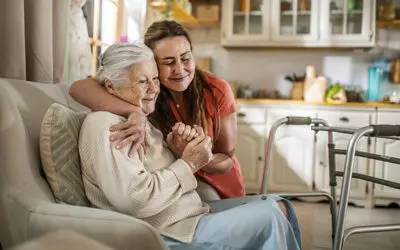
Family Involvement in the Recovery Process
Recovery can be a challenging period for individuals and their loved ones. Whether someone is healing after surgery, recovering from an illness, rebuilding strength following an injury, or adjusting after a hospital stay, the process often requires patience, consistency, and ongoing support. Healthcare professionals play an important role in guiding recovery, but family involvement can also make a meaningful difference.
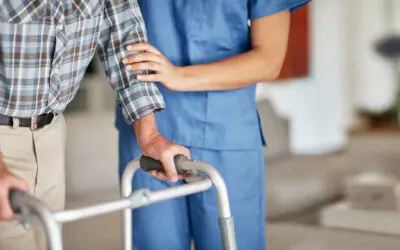
The Emotional Side of Transitioning to Skilled Nursing Care
Moving into a skilled nursing facility is often a major adjustment, not only for the person receiving care but also for family members and loved ones. While much of the planning may focus on medical needs, medications, therapy, personal belongings, and daily routines, the emotional side of the transition deserves just as much attention.
Communicating With Care Teams: What Families Should Know
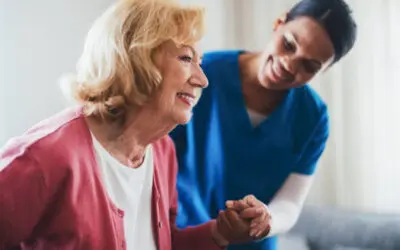
Clear communication between families and care teams plays an important role in supporting a loved one’s health, safety, and overall well-being. Whether someone is receiving care at home, in a rehabilitation setting, or in a long-term care community, families often have questions about treatment, medications, daily routines, and changes in condition.

How Skilled Nursing Supports Families Through the Care Journey
Caring for a loved one with complex medical needs can bring many questions, responsibilities, and unexpected changes. Families often find themselves balancing appointments, medications, recovery goals, and everyday caregiving tasks while also trying to provide emotional support. Skilled nursing can help make this journey more manageable by providing professional medical care, guidance, and reassurance when families need it most.

Family Involvement in the Recovery Process
Recovering from an illness, injury, surgery, or hospitalization is rarely something a person goes through alone. While healthcare professionals play a critical role in treatment and rehabilitation, family members often provide the emotional encouragement, practical assistance, and consistent support that help make recovery more successful. Their involvement can improve communication, reinforce care plans, and create a more positive healing environment for their loved one.
The Emotional Side of Transitioning to Skilled Nursing Care
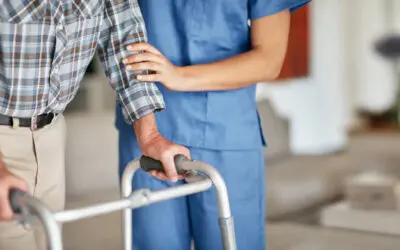
Moving into a skilled nursing facility is a significant life change that affects more than just a person’s physical health. It often brings a wide range of emotions for older adults and their families, from uncertainty and sadness to hope and relief. While much attention is given to medical care and rehabilitation, the emotional side of this transition deserves just as much consideration.
Communicating With Care Teams: What Families Should Know
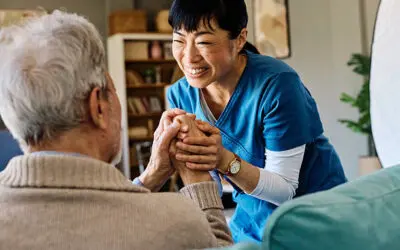
When a loved one enters a skilled nursing or rehabilitation setting, families often have many questions about their care, progress, and daily needs. While healthcare professionals manage medical treatment and support, family members play an important role in helping ensure that care reflects the individual’s preferences, goals, and history. One of the most effective ways to stay involved is through open, respectful, and consistent communication with the care team.

How Skilled Nursing Supports Families Through the Care Journey
Caring for an aging loved one is a journey filled with important decisions, changing needs, and emotional moments. Whether a senior is recovering after a hospital stay, managing a chronic condition, or requiring long-term support, families often take on significant caregiving responsibilities. While this role can be rewarding, it can also become overwhelming without the right resources.