
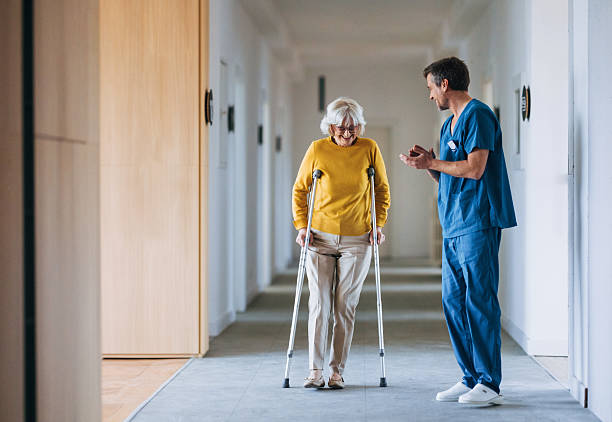
Recovering from surgery, an illness, or a hospital stay often involves more than one type of care. A person may need help managing medications, rebuilding strength, eating safely, and preparing to return home. In a skilled nursing facility, these needs are addressed by professionals who work together rather than separately. Each brings a different perspective, but all share a common goal: helping the individual recover as safely and independently as possible.
Contents
Creating a Care Plan Around Individual Needs
Teamwork begins with an assessment of the person’s medical condition, daily abilities, and recovery goals. Nurses, therapists, and other care professionals identify areas where support is needed and help develop an individualized plan.
For one person, the priority may be walking safely after hip surgery. For another, it may be improving swallowing after a stroke. Goals should be realistic, measurable, and reviewed as recovery progresses. The person’s preferences also matter, including what activities they hope to resume.
How Nurses and Medical Providers Coordinate Care

Physicians and other medical providers oversee treatment decisions, evaluate changes in health, and adjust medical orders when necessary. Skilled nurses put those orders into practice while monitoring symptoms, administering medications, managing wounds, and responding to new concerns.
Because nurses observe residents throughout the day, they often notice changes that affect rehabilitation. Increased pain, dizziness, poor sleep, or unusual fatigue may influence someone’s ability to participate in therapy. By communicating these observations promptly, nursing staff help the wider team adapt the care plan and address problems before they become bigger setbacks.
The Role of Rehabilitation Therapists
Rehabilitation professionals focus on the abilities people need for everyday life. According to MedlinePlus, skilled nursing rehabilitation may involve several types of therapy, depending on the person’s needs.
Physical therapists work on strength, balance, walking, and safe movement. Occupational therapists help people practice activities such as dressing, bathing, and using adaptive equipment. Speech-language pathologists may address communication, thinking, and swallowing difficulties.
These services often overlap in useful ways. A physical therapist might practice transferring from a bed to a chair, while an occupational therapist helps the same person use that skill during dressing. Nursing staff can reinforce safe techniques between sessions, making progress part of daily routines.
Support Beyond Nursing and Therapy
Recovery also depends on nutrition, emotional well-being, and practical circumstances. Dietitians may recommend meals that meet changing nutritional needs, particularly when someone has difficulty eating or needs additional support for healing.
Social workers and case managers help address concerns about transportation, family resources, equipment, and the next care setting. Nursing assistants contribute by helping with daily activities and sharing observations about comfort, appetite, and mobility. Their input can reveal small changes that are easy to miss during a scheduled appointment.
Why Communication Matters Across the Team
A coordinated team regularly shares information rather than assuming each professional has the full picture. Care meetings, documentation, and everyday conversations help staff review progress, identify barriers, and agree on next steps.
For example, if a resident becomes short of breath during exercise, the therapist can inform nursing staff, who can assess the situation and contact the medical provider as appropriate. The team may then revise activity recommendations based on the person’s condition.
The Medicare overview of skilled nursing facility care recognizes skilled nursing, rehabilitation therapies, medical social services, and dietary counseling among services available when medically appropriate.
Including Residents and Families in Decisions
Residents are central members of their care teams. Understanding why an exercise matters, reporting discomfort, and discussing personal goals can help professionals tailor support more effectively.
When the resident agrees, family members and caregivers can also participate in care discussions. They may share information about routines, home layout, or challenges the person experienced before hospitalization. These details help the team plan for everyday realities, not just progress measured during therapy.
Preparing for the Next Stage of Recovery
Discharge planning should begin well before someone leaves skilled nursing care. The team considers mobility, medication management, home safety, ongoing therapy needs, and the support available after discharge.
Therapists may recommend mobility equipment or strategies for navigating stairs. Nurses can review medications and warning signs, while social workers help coordinate services and community resources. If returning home is not yet appropriate, the team can discuss other care options.
Effective teamwork does not guarantee a particular recovery outcome. It does, however, help ensure that changing needs are recognized, goals remain coordinated, and residents have a clearer path toward their next stage of care.