

Moving into a skilled nursing facility is a significant life change that affects more than just a person’s physical health. It often brings a wide range of emotions for older adults and their families, from uncertainty and sadness to hope and relief. While much attention is given to medical care and rehabilitation, the emotional side of this transition deserves just as much consideration.
Understanding the feelings that often accompany this change can help families provide better support and make the adjustment process more comfortable. With patience, communication, and compassionate care, the transition to skilled nursing can become a positive step toward improved health, safety, and quality of life.
Contents
Why the Transition Can Feel Overwhelming
Leaving a familiar home is rarely easy. For many seniors, their home represents independence, cherished memories, and a sense of identity. Packing belongings and moving into a new environment may feel like giving up part of their lifestyle, even when the move is necessary for health or safety reasons.
It is common for older adults to experience emotions such as:
- Anxiety about the unknown
- Sadness over leaving home
- Fear of losing independence
- Frustration about changing abilities
- Worry about fitting into a new community
These emotions are natural and should not be dismissed. Acknowledging them allows families and caregivers to respond with empathy rather than simply focusing on practical arrangements.
Families Experience Emotional Changes Too
The transition affects family members as well. Adult children, spouses, and other loved ones often struggle with feelings of guilt, grief, or uncertainty. Many wonder whether they made the right decision or worry that they are no longer fulfilling their caregiving responsibilities.
Recognizing these emotions is important because family members who care for their own emotional well-being are often better equipped to support their loved one during the adjustment period.
Remember that choosing skilled nursing care is often motivated by a desire to provide a safer environment and access to professional medical support rather than replacing family involvement.
The Importance of Open Communication
Honest and compassionate conversations can make the transition much smoother. Whenever possible, seniors should be included in discussions about their care, preferences, and daily routines.
Listening carefully to their concerns helps them feel respected and involved in the decision-making process. Families should also encourage questions and provide clear, reassuring answers about what to expect.
Once the move has taken place, maintaining regular communication with the care team helps everyone stay informed about progress, changing needs, and personal preferences. This partnership builds trust and supports both emotional and physical well-being.
Building a Sense of Comfort in a New Environment
Adjusting to a new setting takes time. Creating a familiar and welcoming space can help reduce stress during the first few weeks.
Simple ways to personalize a room include:
- Displaying family photographs
- Bringing favorite blankets or pillows
- Including treasured keepsakes
- Playing familiar music
- Decorating with meaningful items from home
These personal touches provide comfort and help residents feel more connected to their past while adapting to their new surroundings.
Staying Connected With Loved Ones
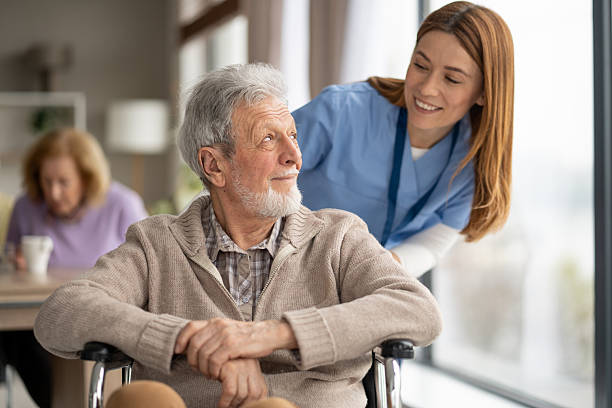
Family involvement remains important after the transition. Regular visits, phone calls, video chats, letters, and participation in activities help reassure residents that they continue to play an important role in family life.
Consistency often matters more than frequency. Knowing when to expect visits or calls provides something positive to anticipate and helps reduce feelings of loneliness.
Families can also celebrate birthdays, holidays, and other milestones together whenever possible, maintaining traditions that strengthen emotional connections.
Encouraging Social Engagement
Many seniors initially hesitate to participate in community activities because they are adjusting to unfamiliar surroundings. Gentle encouragement can help them become more comfortable over time.
Skilled nursing communities often offer opportunities such as:
- Group exercise sessions
- Arts and crafts
- Music programs
- Religious services
- Games and social gatherings
- Educational activities
Participating in these programs allows residents to build friendships, establish routines, and discover enjoyable ways to stay engaged. Social interaction can play an important role in reducing isolation and supporting emotional wellness.
Recognizing When Someone Needs Additional Emotional Support
While many people gradually adapt to their new environment, some may experience prolonged emotional distress. Families and caregivers should pay attention to signs that may indicate a need for additional support, including:
- Persistent sadness
- Withdrawal from activities
- Significant changes in appetite
- Difficulty sleeping
- Increased anxiety
- Loss of interest in hobbies or conversations
Sharing these observations with the care team allows appropriate interventions to be considered. Emotional support, counseling, recreational therapy, and ongoing family involvement can all contribute to a healthier adjustment.
Looking Toward a Positive New Chapter
Although transitioning to skilled nursing care can be emotionally challenging, it also creates opportunities for healing, rehabilitation, meaningful relationships, and improved daily support. Many residents find comfort in structured routines, professional care, and opportunities to socialize with peers.
The adjustment process is different for everyone, and there is no single timeline for feeling at home. Patience, compassion, and ongoing communication make a meaningful difference throughout this journey.
By recognizing both the emotional and practical aspects of the transition, families can help their loved ones feel supported, respected, and valued as they begin this new chapter with confidence.