
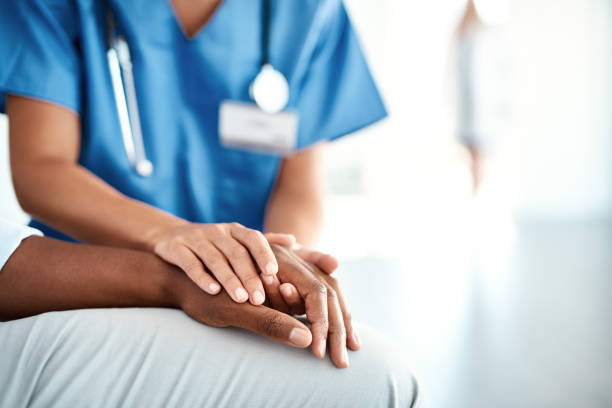
When a loved one requires ongoing medical attention, families often wonder what level of care is necessary to support recovery, manage chronic conditions, or maintain quality of life. For individuals with complex health needs, 24/7 skilled nursing care provides continuous medical oversight and personalized support that goes beyond what can typically be offered at home or in non-medical care settings.
Contents
What Is 24/7 Skilled Nursing Care?
Skilled nursing care refers to specialized medical services provided by licensed healthcare professionals, including registered nurses (RNs), licensed practical nurses (LPNs), therapists, and other clinical team members. Unlike custodial care, which focuses primarily on assistance with daily activities, skilled nursing care addresses medical conditions that require professional assessment, treatment, and monitoring.
Facilities offering round-the-clock skilled nursing services ensure that medical personnel are available at all hours of the day and night. This continuous presence allows residents to receive timely interventions, medication management, wound care, rehabilitation services, and emergency response whenever needed.
Who Benefits from Skilled Nursing Care?
Many individuals may benefit from 24/7 skilled nursing services. Seniors recovering from surgery, stroke, or serious illness often require close monitoring during the healing process. Others may have chronic medical conditions such as heart disease, diabetes, respiratory disorders, or neurological conditions that demand ongoing supervision.
Some residents transition to skilled nursing care after a hospital stay when they are not yet ready to return home independently. Others require long-term support due to mobility limitations, cognitive impairment, or multiple health conditions that make managing care at home difficult.
Because every individual has unique needs, skilled nursing teams develop personalized care plans designed to support both medical stability and overall well-being.
The Importance of Continuous Monitoring
One of the primary advantages of 24/7 skilled nursing care is continuous monitoring. Health conditions can change quickly, especially among older adults or individuals recovering from serious medical events. Having trained professionals available at all times helps ensure that subtle changes in health status are recognized and addressed promptly.
Nurses regularly assess vital signs, monitor symptoms, evaluate treatment effectiveness, and communicate with physicians regarding any concerns. Early detection of potential complications can often prevent minor issues from becoming serious medical emergencies.
This proactive approach helps reduce unnecessary hospital readmissions while promoting safer and more effective recovery.
Medication Management and Safety
Medication management is a critical component of skilled nursing care. Many residents take multiple prescriptions that require careful scheduling, monitoring, and adjustment. Missing doses, taking medications incorrectly, or experiencing adverse reactions can lead to significant health risks.
Skilled nursing professionals oversee medication administration to ensure accuracy and safety. They monitor for side effects, evaluate medication effectiveness, and coordinate with healthcare providers when changes are needed.
This level of oversight provides peace of mind for both residents and family members who may otherwise worry about medication errors or compliance issues.
Rehabilitation and Recovery Support
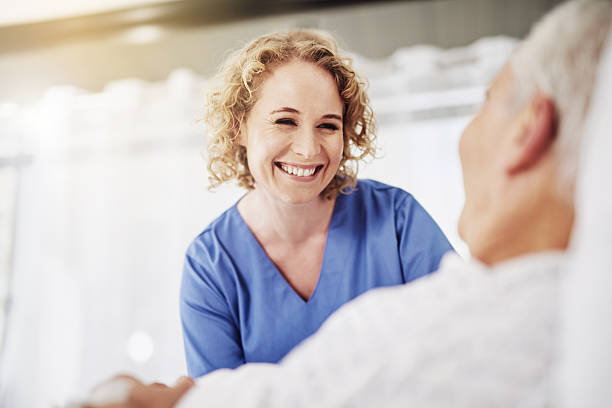
Many skilled nursing facilities offer rehabilitation services as part of a comprehensive care plan. Physical therapy, occupational therapy, and speech therapy can help residents regain strength, mobility, communication skills, and independence following illness, injury, or surgery.
Therapists work closely with nursing staff to monitor progress and adjust treatment plans as needed. Because care teams collaborate daily, residents benefit from a coordinated approach that supports both medical recovery and functional improvement.
This integrated model often helps individuals achieve rehabilitation goals more efficiently while maintaining a safe environment throughout the recovery process.
Managing Complex Medical Conditions
Individuals with complex medical needs often require specialized treatments and monitoring that cannot be easily provided in a home setting. Skilled nursing teams are trained to manage a wide range of conditions, including wound care, intravenous therapy, respiratory treatments, feeding tubes, and post-surgical care.
Having immediate access to clinical professionals ensures that treatments are administered properly and any complications are addressed quickly. This level of expertise is especially valuable for residents whose conditions require frequent assessment or ongoing adjustments to their care plans.
The ability to receive comprehensive medical support in one setting helps reduce stress for both residents and their families.
Emotional and Social Well-Being
While medical care is a central focus of skilled nursing services, emotional and social well-being also play important roles in overall health. Many facilities provide opportunities for social engagement, recreational activities, and meaningful interactions that support mental and emotional wellness.
Residents often benefit from structured routines, social connections, and activities tailored to their interests and abilities. These experiences can help reduce feelings of isolation while promoting a greater sense of purpose and community.
Family members may also feel reassured knowing their loved one is receiving compassionate care from a dedicated healthcare team.
Supporting Families Through Every Stage of Care
Choosing skilled nursing care is often a significant decision for families. Understanding that trained professionals are available around the clock can provide valuable reassurance during challenging times.
From ongoing monitoring and medication management to rehabilitation and specialized treatments, 24/7 skilled nursing care offers a comprehensive approach designed to support health, safety, and quality of life. By providing continuous medical attention and personalized care, skilled nursing teams help residents navigate recovery, manage chronic conditions, and maintain the highest possible level of comfort and independence.