
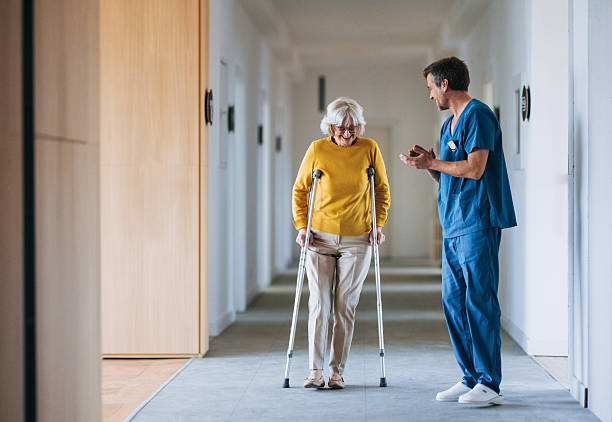
Understanding the distinction between skilled nursing and rehabilitation is essential for patients, families, and caregivers navigating post-hospital care. While the two are often mentioned together—and sometimes even provided within the same facility—they serve different purposes and address different levels of medical and recovery needs. Knowing how they differ can help ensure that the right level of care is chosen at the right time.
Contents
What Is Skilled Nursing Care?
Skilled nursing care refers to a high level of medical care delivered by licensed healthcare professionals, including registered nurses (RNs), licensed practical nurses (LPNs), and other trained staff under physician supervision. This type of care is typically required for individuals who have complex medical conditions that need ongoing monitoring, treatment, or management.
Patients in skilled nursing care often require services such as wound care, IV therapy, medication management, or monitoring of chronic conditions like heart disease or diabetes. These services go beyond what can be safely provided at home or in a standard assisted living environment.
Skilled nursing care is commonly provided in skilled nursing facilities (SNFs) or nursing homes, and it may be needed on a short-term basis after a hospital stay or on a long-term basis for individuals with persistent health challenges.
What Is Rehabilitation Care?
Rehabilitation, often referred to as “rehab,” focuses on helping individuals regain strength, mobility, and independence after an illness, injury, or surgery. The primary goal is recovery and functional improvement, rather than ongoing medical management.
Rehab services are typically provided by therapists, including physical therapists, occupational therapists, and speech-language pathologists. These professionals work with patients to rebuild physical abilities, improve coordination, relearn daily tasks, and restore communication skills when needed.
Rehabilitation can take place in various settings, including inpatient rehab centers, outpatient clinics, or within skilled nursing facilities that offer therapy programs. The duration of rehab varies depending on the patient’s condition, but it is generally short-term and goal-oriented.
Key Differences in Purpose
The most important difference between skilled nursing and rehab lies in their purpose. Skilled nursing care is centered on medical needs, ensuring that patients receive continuous clinical support and supervision. Rehabilitation, on the other hand, is focused on recovery and helping patients return to their normal routines.
For example, a patient recovering from surgery may initially require skilled nursing care to manage pain, prevent infection, and monitor vital signs. As their condition stabilizes, the focus may shift toward rehabilitation to rebuild strength and mobility.
Level of Medical Involvement
Skilled nursing care involves a higher level of medical oversight. Patients often have conditions that require frequent assessments, specialized treatments, and coordination with physicians. Nurses play a central role in delivering care and responding to changes in a patient’s condition.
Rehabilitation involves less intensive medical supervision and more hands-on therapy. While medical professionals are still involved, the emphasis is on structured therapy sessions designed to improve physical or cognitive function. Patients participating in rehab are generally stable enough to focus on recovery rather than acute medical issues.
Duration and Care Goals
Another key difference is the duration and expected outcomes of care. Skilled nursing care may be either short-term or long-term, depending on the patient’s needs. Some individuals require ongoing support due to chronic illnesses or disabilities, while others may only need temporary care during recovery.
Rehabilitation is typically short-term and goal-driven. Patients enter rehab with specific objectives, such as walking independently, regaining the ability to perform daily tasks, or improving speech. Once these goals are met or progress plateaus, rehab services are usually reduced or discontinued.
Overlap Between Skilled Nursing and Rehab
It is important to note that skilled nursing and rehabilitation are not mutually exclusive. Many facilities offer both services, allowing patients to receive comprehensive care in one location. In these cases, a patient may receive skilled nursing care alongside rehabilitation therapies.
For instance, someone recovering from a stroke may need skilled nursing care to manage medications and monitor their condition, while also participating in physical and occupational therapy to regain mobility and independence. This integrated approach ensures that both medical and functional needs are addressed simultaneously.
Choosing the Right Type of Care
Selecting between skilled nursing and rehab depends on the patient’s current condition, medical requirements, and recovery goals. A physician or hospital discharge planner typically evaluates these factors and recommends the appropriate level of care.
If a patient requires ongoing medical supervision and treatment, skilled nursing care is likely the better option. If the primary goal is to regain function and independence after a medical event, rehabilitation services may be more suitable.
In many cases, patients transition from skilled nursing to rehabilitation as their condition improves. This progression reflects the shift from medical stabilization to active recovery.
Final Thoughts
While skilled nursing and rehabilitation are closely related, they serve distinct roles in the continuum of care. Skilled nursing provides essential medical support for individuals with complex health needs, while rehabilitation focuses on restoring independence and improving quality of life.
Understanding these differences allows patients and families to make informed decisions and ensures that care aligns with both immediate medical needs and long-term recovery goals.