
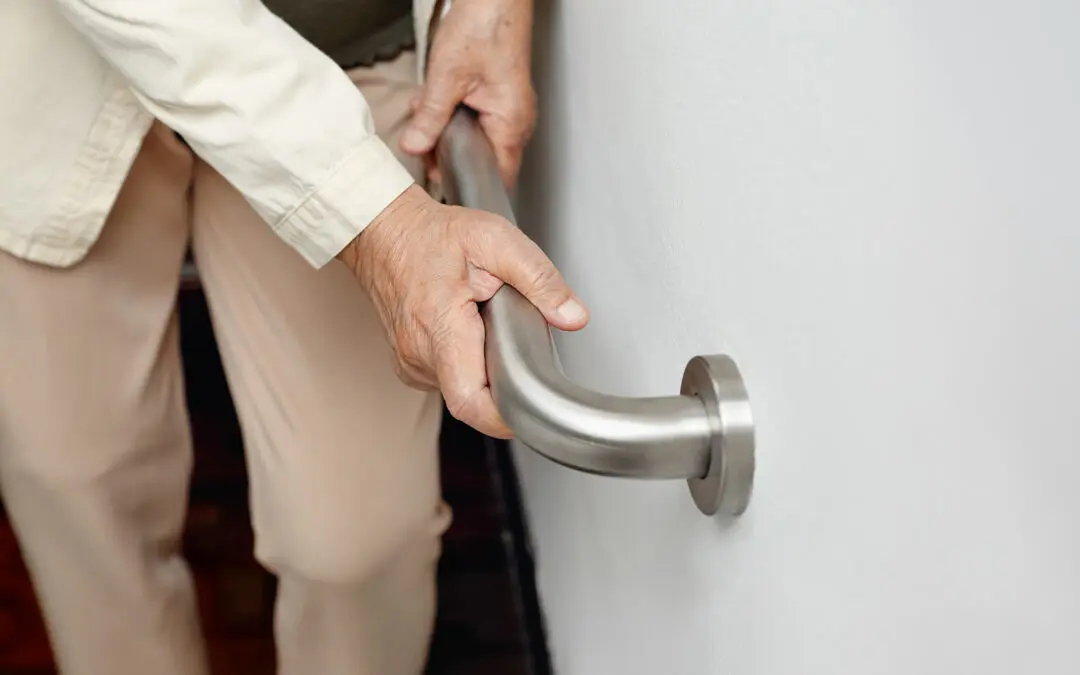
Falls are one of the most common health risks facing older adults. According to the Centers for Disease Control and Prevention, millions of seniors experience falls every year, and many of these incidents result in serious injuries such as fractures, head trauma, or a decline in mobility. While aging naturally brings changes in strength, balance, and coordination, many falls can be prevented through proactive safety measures and supportive environments.
Understanding how and why falls occur is the first step toward protecting senior health and independence. By combining practical home adjustments, physical activity, and regular medical care, families and caregivers can help older adults reduce their risk and continue living confidently.
Contents
Why Fall Prevention Matters for Senior Health
Falls are not simply accidents; they often result from a combination of physical, environmental, and medical factors. Age-related muscle loss, slower reaction times, vision changes, and certain medications can all increase the likelihood of losing balance.
For seniors, the consequences of a fall can extend far beyond the initial injury. Many older adults experience a loss of confidence after a fall, which can lead to reduced activity and further physical decline. Preventing falls, therefore, plays a critical role not only in avoiding injuries but also in preserving mobility, independence, and quality of life.
Healthcare professionals increasingly emphasize prevention because even small safety improvements can significantly reduce fall risks. Addressing these risks early allows seniors to maintain active lifestyles while minimizing avoidable hazards.
Identifying Common Fall Hazards at Home
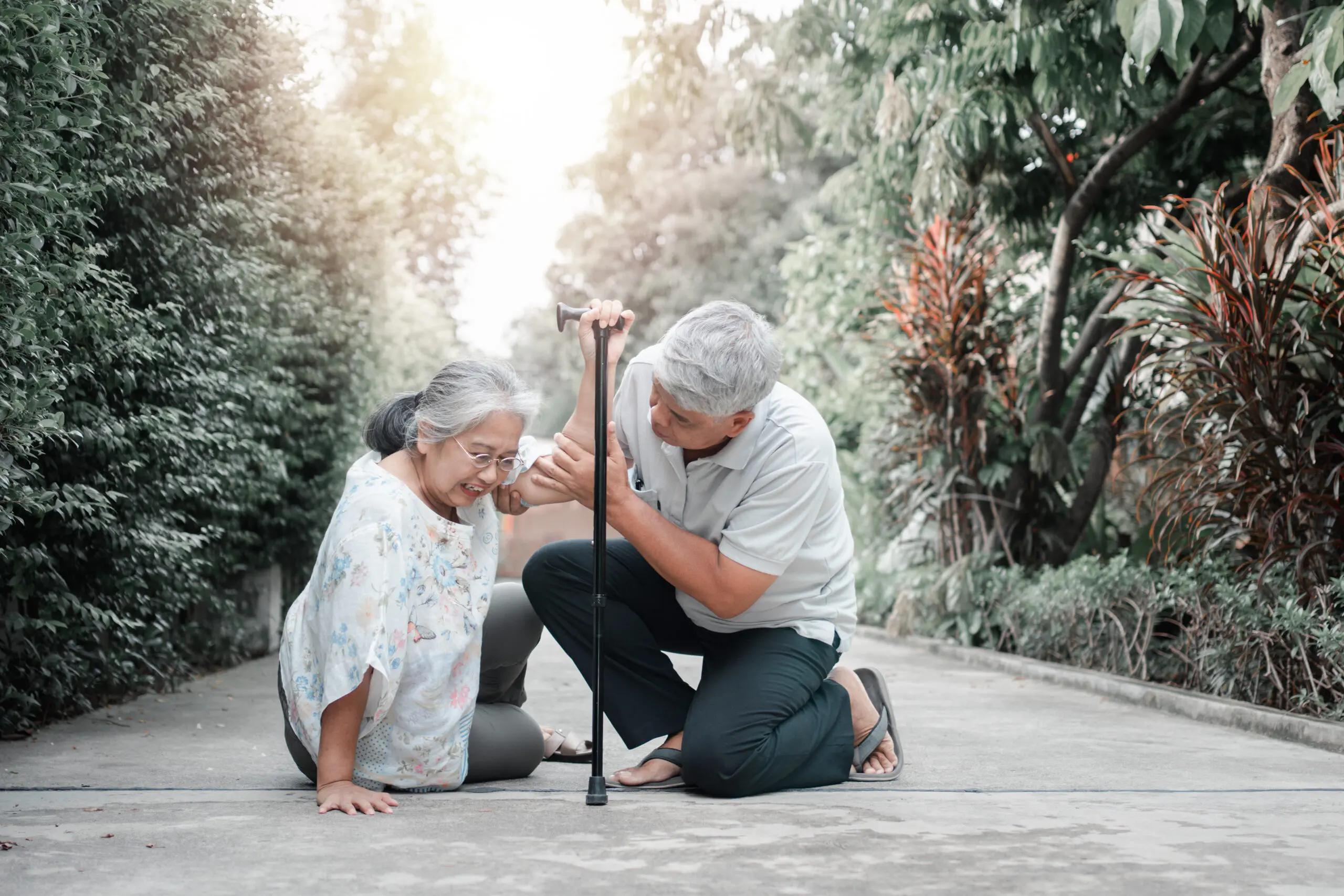
The home environment is one of the most common locations where falls occur. Everyday features such as loose rugs, cluttered walkways, and poor lighting can become dangerous obstacles for individuals with limited mobility or balance challenges.
Simple modifications can make a meaningful difference. Ensuring that hallways and staircases are well-lit helps seniors navigate their surroundings safely, especially during nighttime hours. Removing tripping hazards like unsecured carpets or electrical cords can also reduce the likelihood of accidents.
Bathrooms and kitchens deserve particular attention because these spaces often involve slippery surfaces. Installing grab bars near toilets and showers provides additional stability, while non-slip mats can help prevent sudden slips on wet floors. These adjustments are relatively inexpensive but offer substantial protection.
The Role of Strength and Balance Exercises
Physical activity plays a major role in reducing fall risk among seniors. Maintaining muscle strength, flexibility, and coordination allows older adults to move more confidently and respond more effectively to sudden shifts in balance.
Exercise programs designed for seniors often focus on strengthening the legs, improving posture, and enhancing balance. Activities such as walking, light resistance training, and gentle stretching can help maintain stability and mobility. Structured programs like Tai Chi have gained popularity among seniors because they emphasize controlled movements and body awareness.
Even modest activity performed consistently can improve physical resilience. Healthcare providers often recommend starting slowly and gradually increasing activity levels, ensuring exercises remain safe and manageable for each individual.
Regular Health Checkups and Medication Reviews
Medical factors can contribute significantly to fall risk. Vision problems, inner ear disorders, and chronic conditions affecting the joints or nervous system may interfere with balance and coordination.
Routine checkups allow healthcare professionals to identify these issues early and recommend appropriate treatments or adjustments. Eye examinations are particularly important because poor vision can make it difficult to recognize obstacles or uneven surfaces.
Medication management is another critical component of fall prevention. Some prescriptions may cause dizziness, fatigue, or changes in blood pressure that affect balance. Physicians or pharmacists can review medications to ensure they remain appropriate and do not increase the likelihood of falls.
Creating Supportive Living Environments
In many cases, seniors benefit from living environments designed specifically with safety and accessibility in mind. Assisted living communities and skilled nursing facilities often incorporate architectural features and support systems that reduce fall risks.
Wide hallways, handrails, non-slip flooring, and emergency call systems are commonly included in these environments. Staff members are also available to provide assistance when residents need help moving safely or performing daily tasks.
Beyond physical design, these communities often encourage regular social and physical activities that keep seniors engaged and active. Maintaining both physical movement and social interaction helps preserve overall well-being while reducing the likelihood of falls.
Encouraging Awareness and Preventive Habits
Fall prevention is most effective when seniors, families, and caregivers work together. Awareness plays a crucial role in identifying potential risks before accidents occur.
Simple habits can make a significant difference. Wearing supportive, well-fitting footwear helps improve stability while walking. Taking time to stand up slowly from seated positions can prevent dizziness and sudden imbalance. Using mobility aids such as walkers or canes when recommended by healthcare professionals also enhances safety.
Families can contribute by regularly checking the home for potential hazards and encouraging seniors to remain physically active. Open communication ensures that concerns about balance, vision, or mobility are addressed promptly.
Promoting Long-Term Safety and Independence
Preventing falls is an essential part of maintaining healthy aging. By combining safe living environments, physical activity, and regular healthcare support, seniors can significantly reduce their risk of injury while continuing to enjoy independent lives.
Although aging naturally introduces certain challenges, thoughtful prevention strategies allow older adults to remain active and confident in their daily routines. With proper planning and ongoing awareness, fall prevention becomes a powerful tool for protecting both safety and quality of life for seniors and their families.